The Demands of the Desert Climate
In the Phoenix metro area, irrigation systems operate under extreme conditions, running for 10 to 12 months out of the year. This nearly year-round operation, combined with intense summer heat and hard water, causes components like valves, drip lines, and sprinkler heads to wear down faster than in milder climates. Because the system rarely gets a break, regular maintenance is essential to keep it functioning efficiently and to protect your landscape investment.[1][1]
Without routine checks, small issues can quickly escalate into major problems. A single broken sprinkler head or a cracked drip line can waste thousands of gallons of water over a season, leading to surprisingly high utility bills. Regular servicing helps identify these inefficiencies early, ensuring that water is delivered precisely where your plants need it without unnecessary runoff or evaporation.[1][2]
Monthly Homeowner Inspections
Between professional services, homeowners play a critical role in maintaining their irrigation systems. The EPA WaterSense program recommends a simple "Sprinkler Spruce-Up" approach: inspect, connect, direct, and select. At least once a month, turn on your system and walk your property to visually inspect each zone. Look for sprinkler heads that do not pop up fully, spray onto sidewalks, or leak at the base.[2]
For drip systems, check that emitters are flowing correctly and not clogged by hard water buildup. Pay attention to the health of your plants; a sudden decline in a specific area often points to a clogged emitter or a broken line nearby. By catching and flagging these minor issues during your monthly walk-through, you can prevent water waste and schedule targeted repairs before your landscape suffers.[1]
When to Call an Irrigation Professional
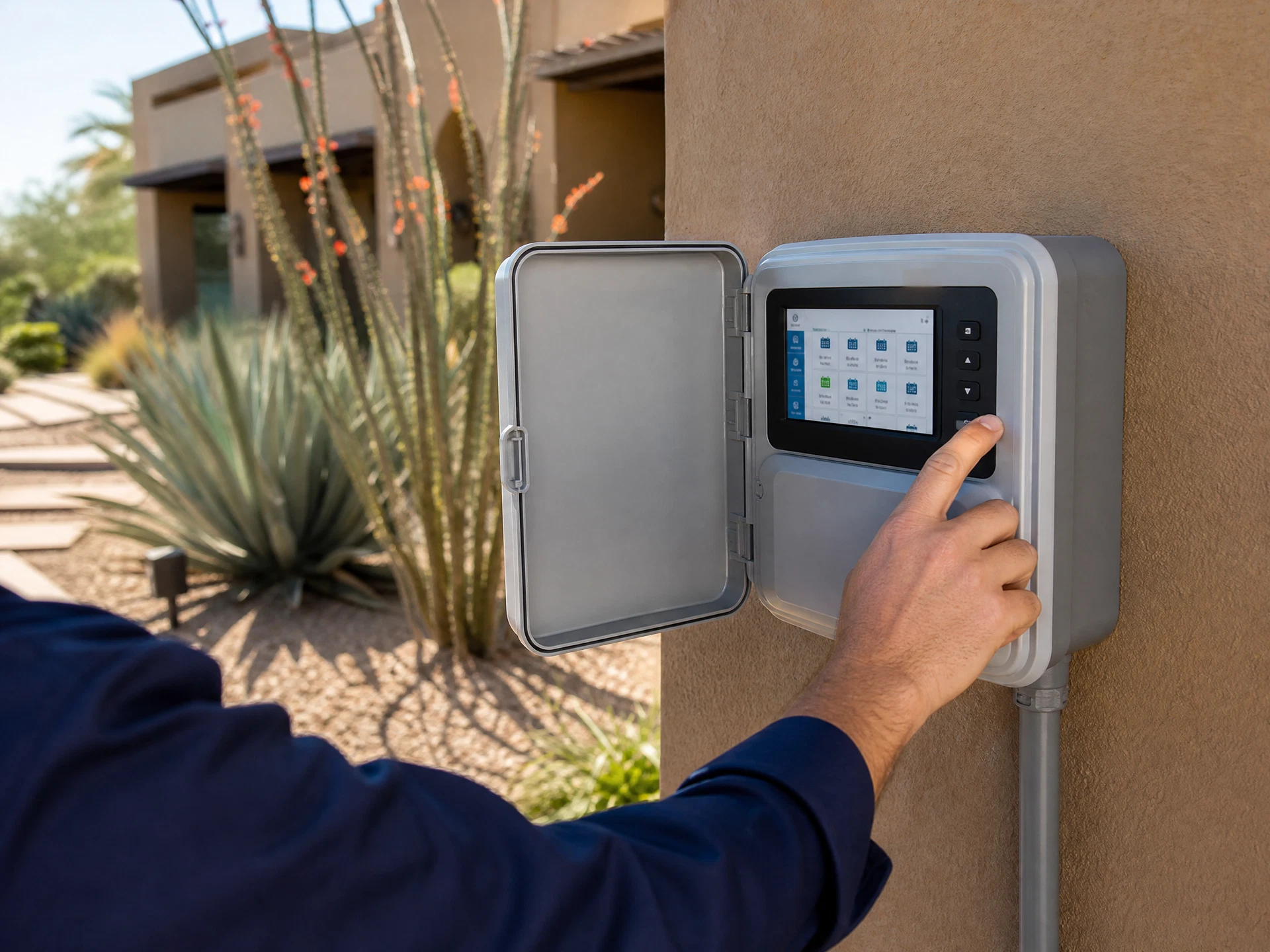
While homeowners can handle basic visual inspections and schedule adjustments, a professional irrigation technician should evaluate the system at least twice a year. Spring tune-ups prepare the system for the heavy demands of the summer heat, while fall inspections ensure settings are dialed back for cooler weather. Professionals have the expertise to check system pressure, clean filters, and identify failing valves before they cause a flood.[1][1]
If you notice significant issues between scheduled services, do not wait to call for help. Unexplained spikes in your water bill, persistent soggy areas in your yard, or zones that refuse to turn on are clear indicators that expert diagnosis is required. Attempting complex repairs without the right knowledge can sometimes cause further damage, making a professional assessment the safest and most cost-effective choice.[1][2]