Understanding Sprinkler Head Adjustments
Adjusting your sprinkler heads is a crucial step in maintaining an efficient irrigation system and ensuring your landscape receives the right amount of water. Proper adjustment helps prevent water waste by directing the spray exactly where it is needed, avoiding overspray onto sidewalks, driveways, or structures. Regular maintenance, including adjusting the spray distance and arc, can significantly improve the health of your lawn and plants by providing even head-to-head coverage.[1]
There are two main types of sprinkler heads commonly used in residential landscapes: pop-up spray heads and rotors. Spray heads deliver a constant fan of water and are typically adjusted by turning a small screw on top of the nozzle to change the radius. Rotors, on the other hand, rotate to distribute water over a larger area and require adjustments to both the arc (the angle of rotation) and the radius (the distance of the throw) using a specific tool or screwdriver.[2][3]
Step-by-Step Adjustment Guide
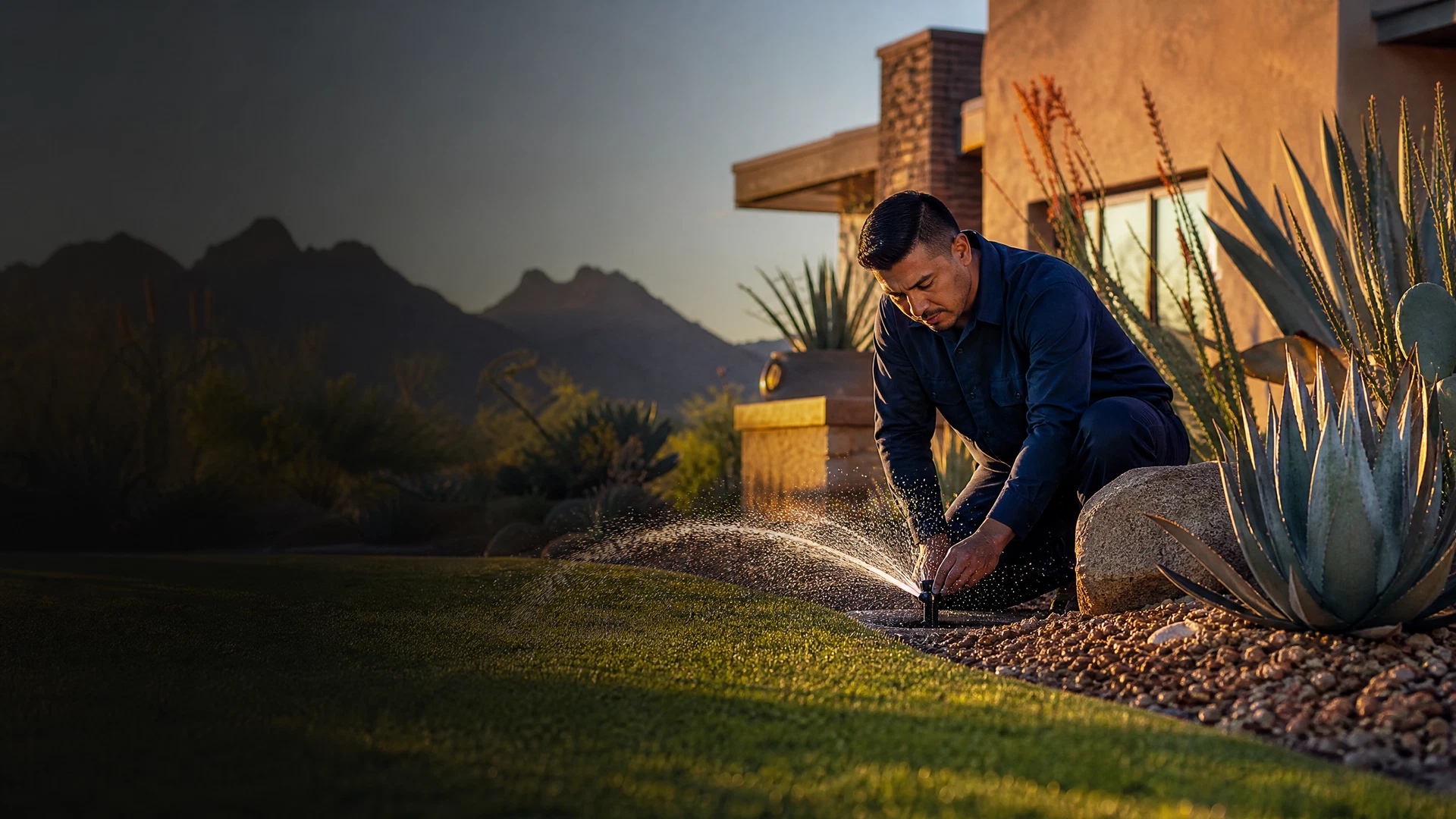
To adjust a pop-up spray head, start by turning on the sprinkler zone so you can see the current spray pattern. Use a small flat-head screwdriver to turn the adjustment screw located in the center of the nozzle. Turning the screw clockwise will decrease the spray distance, while turning it counterclockwise will increase the distance. Be careful not to unscrew it completely. Some spray heads also have a textured collar that can be twisted to adjust the arc or pattern of the spray.[2]
Adjusting a rotor sprinkler involves setting both the arc and the radius. To adjust the arc, insert the manufacturer's adjustment tool or a flat-head screwdriver into the arc adjustment socket on top of the rotor. Turn it clockwise to increase the arc or counterclockwise to decrease it, depending on the model. To adjust the radius, insert the tool into the radius adjustment screw and turn it clockwise to reduce the throw distance. Make small adjustments and observe the changes to ensure the water reaches the intended areas without overspraying.[3]
When to Call a Professional in Arizona
In Arizona's arid climate, maintaining an efficient irrigation system is vital for water conservation and landscape health. The Arizona Municipal Water Users Association (AMWUA) emphasizes the importance of checking for leaks, ensuring even coverage, and adjusting sprinkler heads as needed to keep your yard water-smart. If you notice persistent dry spots, pooling water, or if adjustments do not improve coverage, it may indicate a more significant issue, such as a broken pipe or malfunctioning valve, which requires professional attention.[4]
A professional irrigation technician has the expertise to diagnose complex problems, such as incorrect water pressure or improper system design, which can lead to inefficient watering and increased utility bills. They can also perform necessary repairs, upgrade to more efficient components like pressure-regulating sprinkler bodies, and ensure your system complies with local water conservation guidelines. Investing in professional maintenance can save you money and protect your landscape in the long run.[4]