Common Causes of a Continuously Running Sprinkler System
When an irrigation zone continues to run after its scheduled time, the issue usually originates at the zone valve. The most frequent culprit is a piece of debris, such as a small rock or grit, trapped between the valve's rubber diaphragm and its seat, which prevents the valve from closing completely. Additionally, the diaphragm itself may become torn, stiffened, or worn out over time, especially in hot climates where materials degrade faster.[1][1]
Another potential mechanical issue involves the solenoid, which is the electrical component that triggers the valve to open. If the solenoid's plunger becomes stuck in the open position, or if the manual bleed screw on the valve was accidentally left open, water will continue to flow regardless of what the controller commands. In some cases, the problem may be electrical, where a faulty controller sends a continuous signal to the valve.[1][2]
How to Stop the Water Flow Immediately
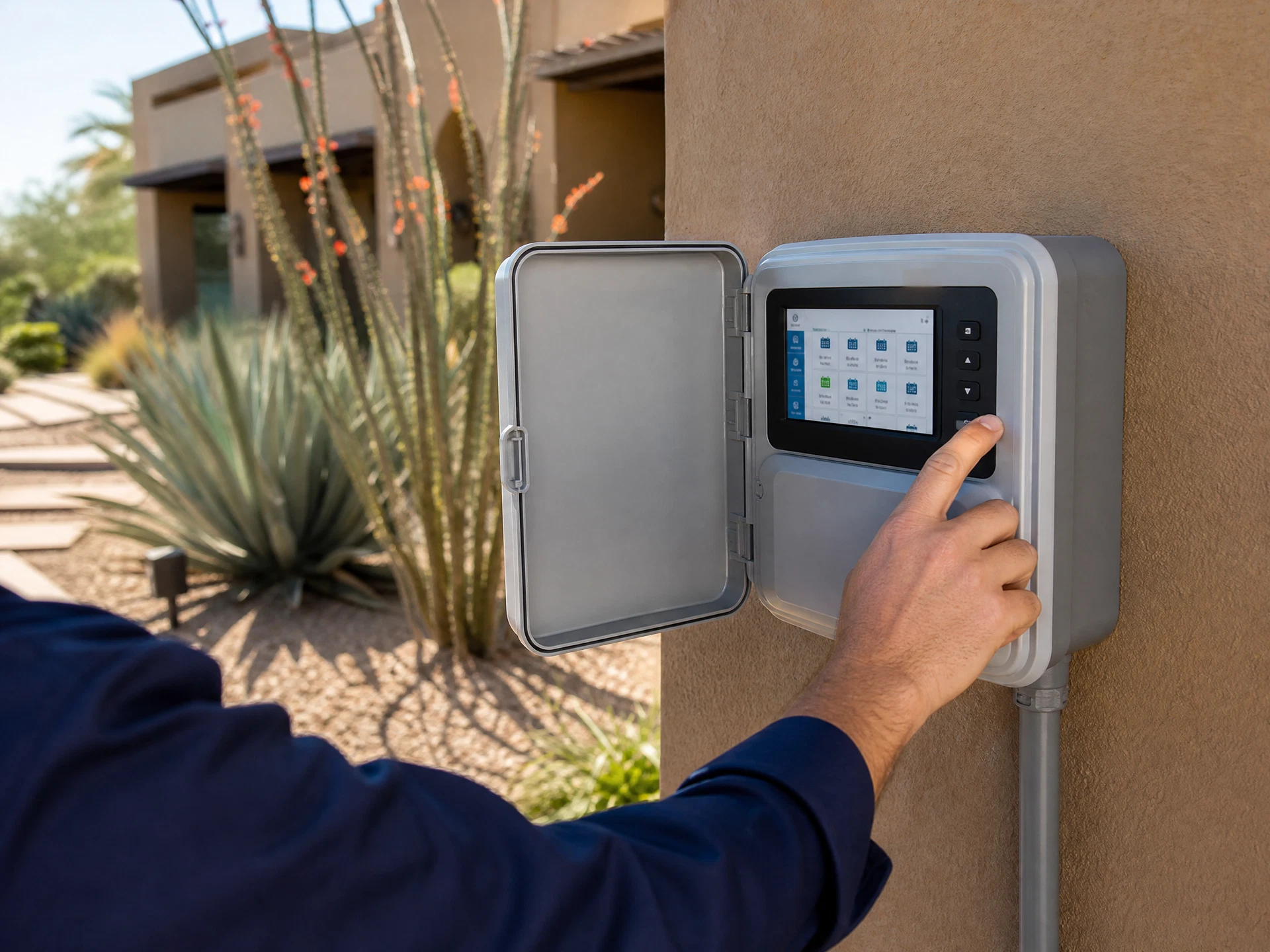
The first step in addressing a system that will not turn off is to unplug the irrigation controller or turn its dial to the off position. If the water stops flowing after you do this, the issue is likely related to the controller's programming, such as multiple overlapping start times, or an electrical fault within the timer itself. However, if the water continues to run even with the controller powered down, the problem is mechanical and located at the valve.[2][1]
To prevent severe water waste and landscape flooding, you must manually shut off the water supply to the irrigation system. Locate your irrigation system's main shut-off valve, which is typically a ball valve or gate valve located near your home's main water meter or backflow preventer. Turn this valve completely off. If you cannot find or operate the irrigation shut-off, you may need to turn off the main water supply to your entire home until a professional can assist.[1][1]
Repairing and Maintaining Irrigation Valves in Arizona
In the Phoenix metro area, irrigation valves are subjected to extreme heat and hard water, which can accelerate the wear and tear on rubber diaphragms and plastic components. Regular maintenance, including flushing the valves to remove hard water deposits and debris, can help extend their lifespan and prevent them from getting stuck open. Installing a filter on your drip irrigation lines is also highly recommended to keep small particles from clogging the delicate internal mechanisms of the valves.[1][2]
While some homeowners may attempt to clean or replace a valve diaphragm themselves, this requires locating the correct valve box, which is often buried or hidden under landscaping. Opening a valve under pressure can be dangerous, and installing replacement parts incorrectly can lead to severe leaks. Therefore, hiring a licensed irrigation professional ensures that the correct components are used and that the system is properly tested to handle Arizona's demanding environmental conditions.[1][1][2]