🌸 Spring Special: Get your system ready for the growing season - $125 Complete Spring Tune-Up!Call Now
Published: March 2025•6 min read
RM

Richard Mora

Licensed Irrigation Contractor · ROC #319237 · 29+ Years Experience

Why Your Sprinkler Zone Has Low Pressure

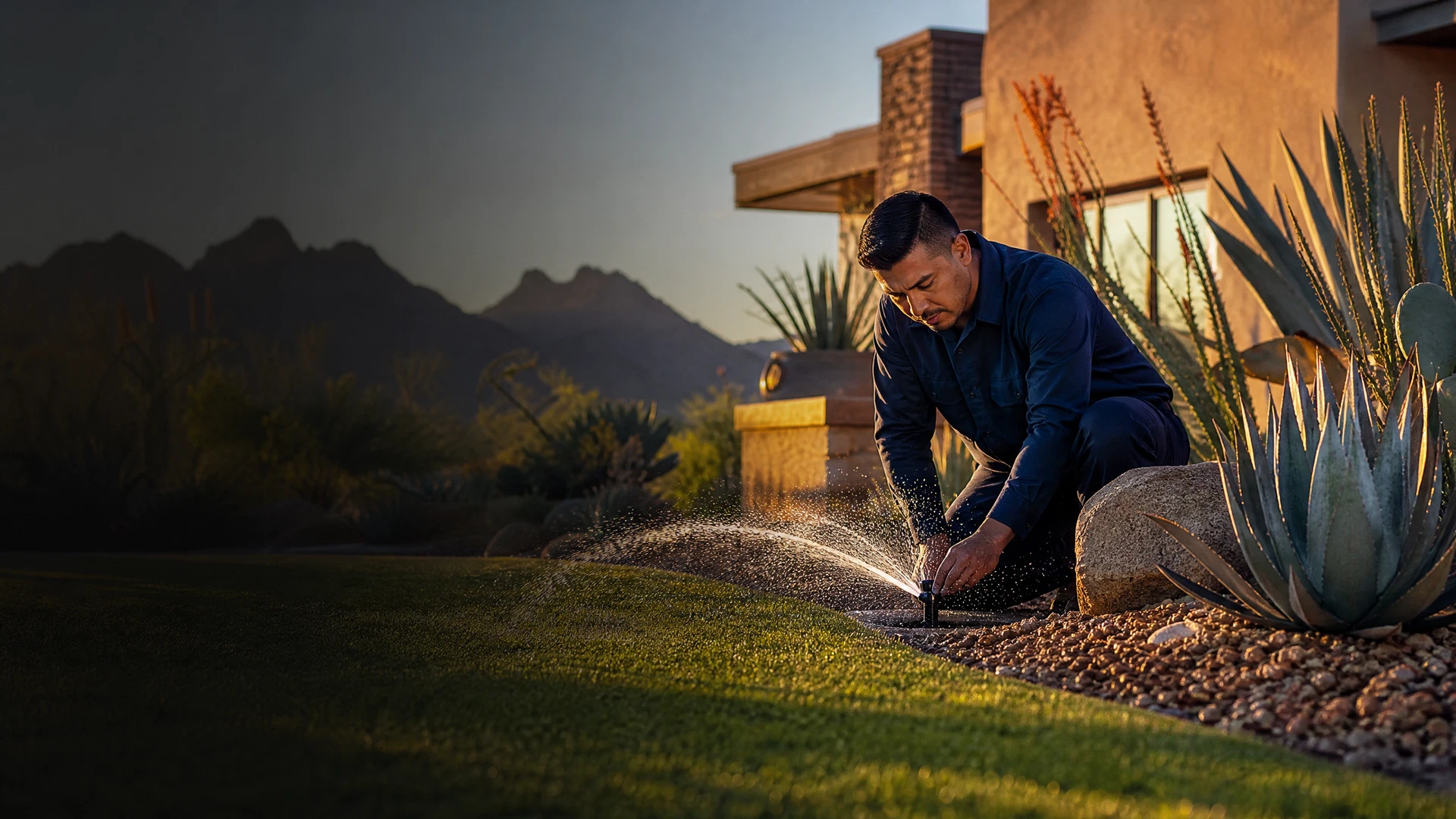
Low water pressure in sprinkler zone in Arizona residential yard

In the scorching Phoenix Metro area, where extreme heat is a daily reality for much of the year, a properly functioning irrigation system isn't just a convenience—it's essential for the survival of your landscape. From the iconic saguaro to the vibrant bougainvillea and resilient palo verde, desert plants rely on consistent watering to thrive. So, when you notice a sprinkler zone suffering from low pressure, it's more than just an annoyance; it's a potential threat to your precious greenery. Low water pressure can lead to uneven watering, dry spots, and ultimately, plant stress or even death. Understanding the common culprits behind this issue, especially those unique to our Arizona environment, is the first step toward a healthy, hydrated yard.

The Impact of Arizona's Hard Water and Caliche Soil

One of the most frequent causes of low sprinkler pressure in the Phoenix Metro area stems directly from our unique geological conditions: **hard water and caliche soil**. Arizona's water is notoriously hard, meaning it's rich in dissolved minerals like calcium and magnesium. Over time, these minerals can accumulate within your irrigation pipes, sprinkler heads, and valves, forming stubborn deposits that restrict water flow. This mineral buildup acts like plaque in an artery, narrowing the pathways and significantly reducing pressure in specific zones.

Compounding this issue is caliche soil, a hardened layer of calcium carbonate found beneath much of our desert landscape. While not directly affecting internal pipe pressure, caliche can make repairs and installations challenging, sometimes leading to subtle pipe damage during initial setup or subsequent landscaping work. Even small cracks or shifts caused by the unforgiving soil can result in leaks, which are a major drain on your system's overall pressure. Arizona Irrigation Repair LLC frequently addresses these issues, understanding the specific challenges posed by our local environment.

Clogged Components and Monsoon Season Debris

Beyond mineral buildup, physical obstructions are a common reason for low pressure. Sprinkler heads, filters, and even main lines can become clogged. In the Phoenix Metro area, this is often exacerbated by the dust and debris carried by our intense monsoon season winds. During a monsoon, strong gusts can pick up vast amounts of sand, leaves, and other organic matter, which can then find their way into your irrigation system. This debris can block nozzles, screens, and even the internal mechanisms of valves, leading to a noticeable drop in pressure for the affected zone.

Regular maintenance, especially after a particularly dusty or windy period, is crucial to prevent these blockages. Checking and cleaning sprinkler heads, flushing lines, and inspecting filters can go a long way in maintaining optimal pressure and ensuring your desert plants receive the water they need to withstand the extreme heat.

Leaks and Damaged Pipes: A Silent Pressure Killer

Perhaps the most insidious cause of low sprinkler pressure is a leak or damaged pipe within your irrigation system. These can range from small, slow drips to significant ruptures, and often go unnoticed until the effects on your landscape become apparent. In the harsh Arizona climate, several factors can contribute to pipe damage:

  • **Extreme Heat:** Prolonged exposure to intense sun and high temperatures can degrade PVC pipes over time, making them brittle and prone to cracking.
  • **Ground Movement:** The expansive nature of caliche soil, combined with occasional seismic activity, can cause pipes to shift and crack underground.
  • **Pest Damage:** Rodents and other desert critters can sometimes chew through exposed lines.
  • **Accidental Damage:** Shovels, gardening tools, or even heavy foot traffic can inadvertently damage buried lines.

Even a small leak can significantly reduce the pressure in a sprinkler zone, as water escapes before reaching the sprinkler heads. If you suspect a leak, it's vital to address it promptly to conserve water and restore proper irrigation. Arizona Irrigation Repair LLC specializes in leak detection and repair across Phoenix, Scottsdale, Mesa, Chandler, Gilbert, Tempe, and other Phoenix Metro cities, utilizing advanced techniques to pinpoint and fix hidden issues.

Conclusion

Low sprinkler pressure in one of your irrigation zones is a clear signal that something is amiss, and in the challenging Arizona desert environment, it's a problem that demands attention. Whether it's the insidious mineral buildup from hard water, debris from a monsoon storm, or a hidden leak, understanding the root cause is key to a healthy landscape. Don't let low pressure compromise the vitality of your saguaros, palo verdes, and bougainvillea. For expert diagnosis and reliable repairs, call Arizona Irrigation Repair LLC at (480) 319-1977 or schedule online at clienthub.getjobber.com/booking/6202d338-26ff-4593-95b3-21f65461668e

Professional Irrigation Services in Phoenix & Scottsdale

Arizona Irrigation Repair LLC provides expert irrigation services throughout the Phoenix Metro area. Whether you need sprinkler repair, drip system service, or a full system inspection, our licensed technicians are ready to help.

  • Sprinkler Repair — Expert diagnosis and repair of broken heads, valves, and leaks throughout the Phoenix Metro area.
  • Drip Irrigation Services — Efficient drip system installation, repair, and maintenance for Arizona desert landscapes.
  • Irrigation Repair in Phoenix — Serving all Phoenix neighborhoods with fast, reliable irrigation repair and maintenance.
  • Scottsdale Irrigation Repair — Specialized irrigation services for Scottsdale's luxury landscapes and desert communities.

Call Arizona Irrigation Repair LLC at (480) 319-1977 or schedule service online.

Quick Menu