
Understanding Winter Water Needs
During the winter months in Phoenix, cooler temperatures and shorter days mean that evaporation rates drop significantly. As a result, most desert-adapted plants, trees, and even winter lawns require much less water than they do in the summer. Continuing a summer watering schedule into the winter can actually harm your landscape.[1]
Overwatering during this time keeps the soil excessively soggy, which can suffocate plant roots and prevent them from absorbing essential nutrients like nitrogen and iron. Additionally, excessive moisture can encourage the growth of fungus, attract pests like mosquitoes, and even cause frost damage if plants produce tender new growth just before a freeze.[1][1][2]
Winter Watering Guidelines
While the frequency of watering should decrease, the depth of watering remains the same year-round. Trees should be watered to a depth of 3 feet, shrubs to 2 feet, and groundcovers to 1 foot. You can use a soil probe or a long screwdriver to check how deeply the water is penetrating the soil.[1][2]
For established winter ryegrass, watering every 7 to 14 days is usually sufficient, aiming for a depth of 4 to 6 inches. Dormant Bermuda grass, on the other hand, generally requires no supplemental watering during the winter months. Always allow the soil to dry out between watering sessions to promote healthy root growth.[1][2]
Adjusting Your Irrigation System
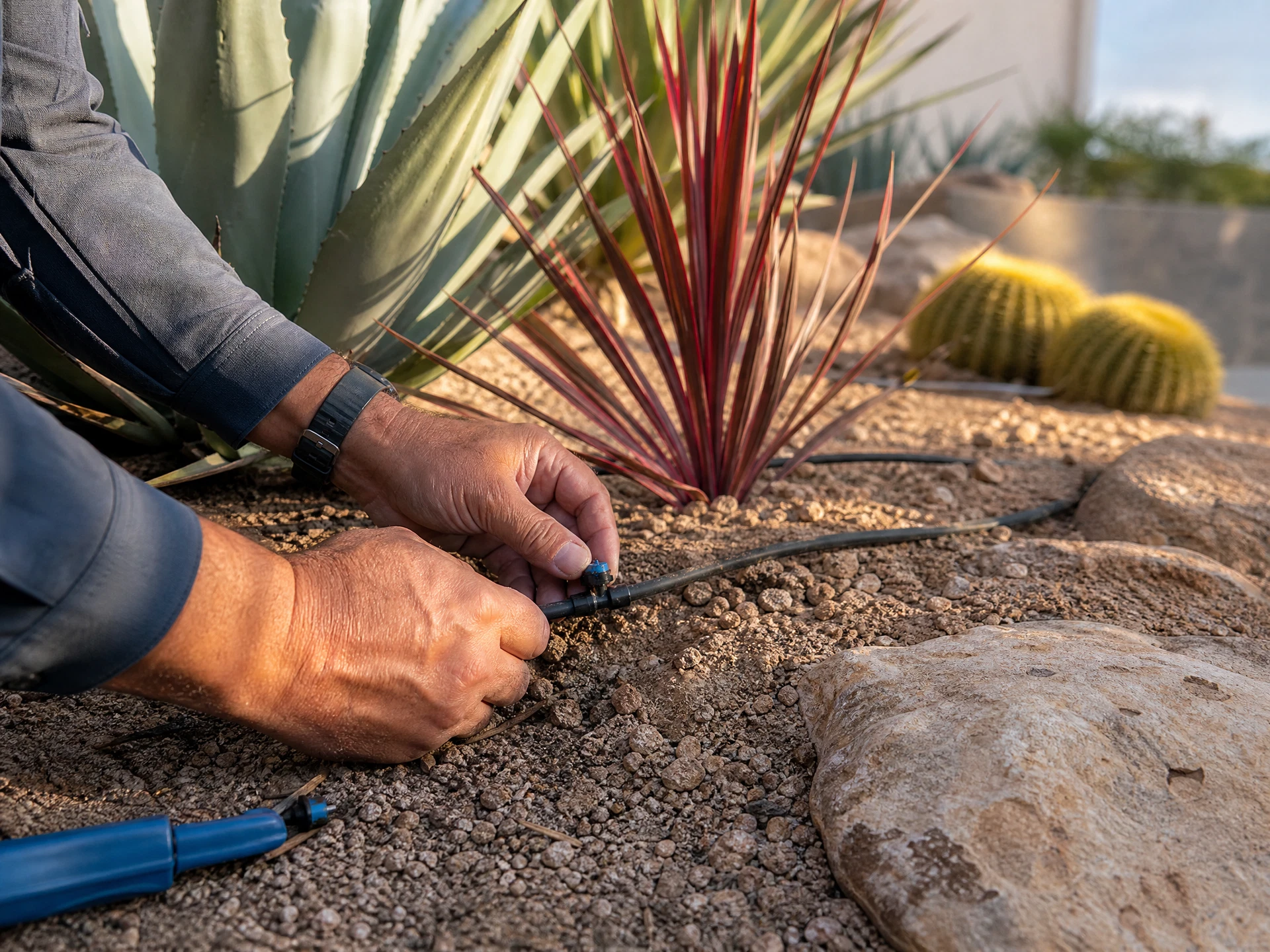
Winter is the ideal time to reprogram your irrigation controller to match the reduced water needs of your landscape. Most experts recommend changing the frequency of watering rather than the duration, ensuring that water still penetrates deeply into the root zone. For instance, native trees like Palo Verde may only need a deep soak once a month.[1][1]
If you are unsure how to adjust your system, many manufacturers provide online tutorials, and local water agencies offer interactive guides. It is also a good practice to manually run your system occasionally during the day to check for leaks or broken sprinkler heads that might go unnoticed during nighttime watering.[1][1][2]