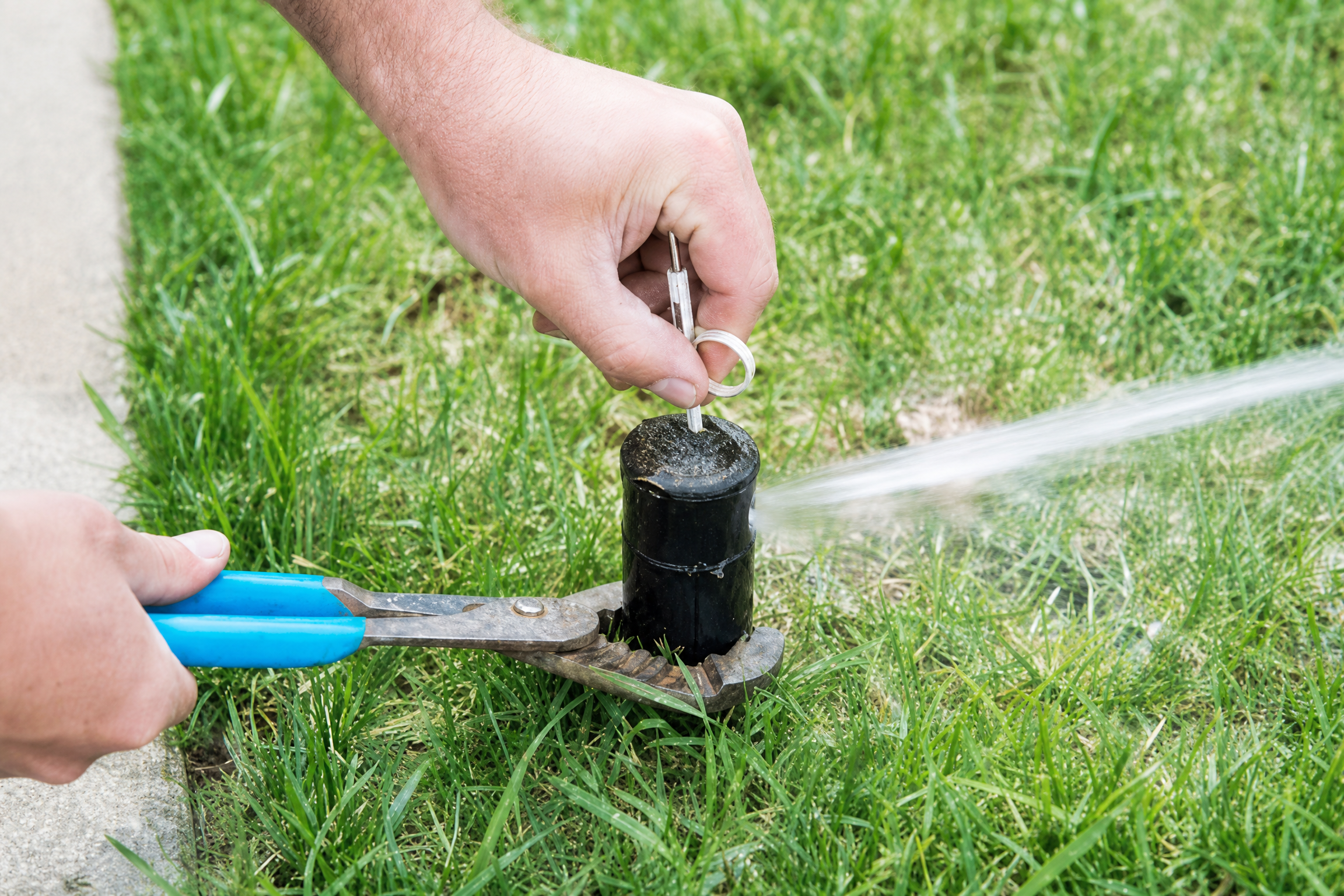
Sprinkler Repair
Broken heads, low pressure, dry zones, overspray, wiring faults, and hidden leaks diagnosed and repaired.
View service detailsWater-Saving Irrigation Specialists Serving Scottsdale, Phoenix & the Valley
Arizona Irrigation Repair diagnoses leaks, pressure problems, inefficient drip systems, sprinkler coverage, valves, controllers, and watering schedules to help Arizona landscapes get the water they need—without wasting what they do not.
Arizona Irrigation Repair LLC diagnoses and repairs residential sprinkler, drip irrigation, valve, controller, leak, pressure, coverage, and scheduling problems across the Phoenix metro. We evaluate how the connected system is operating, repair the actual failure, and identify practical ways to reduce unnecessary water use.
Homeowners in Scottsdale, Phoenix, and nearby Valley communities can call (602) 905-4494, schedule irrigation service, or review our Arizona irrigation water-saving guidance.
Arizona landscapes need irrigation—but they do not need unnecessary water loss. Our technicians evaluate how water moves through the entire system, from the controller and valves to sprinkler heads, drip lines, emitters, pressure, and watering schedules.
Repair what is failing. Optimize what is wasting water.Schedule an irrigation efficiency inspection
Arizona systems work hard. We diagnose the cause, explain the repair, and help the landscape receive the water it needs without unnecessary waste. Landscape lighting remains available as a separate property service.
Broken heads, low pressure, dry zones, overspray, wiring faults, and hidden leaks diagnosed and repaired.
View service details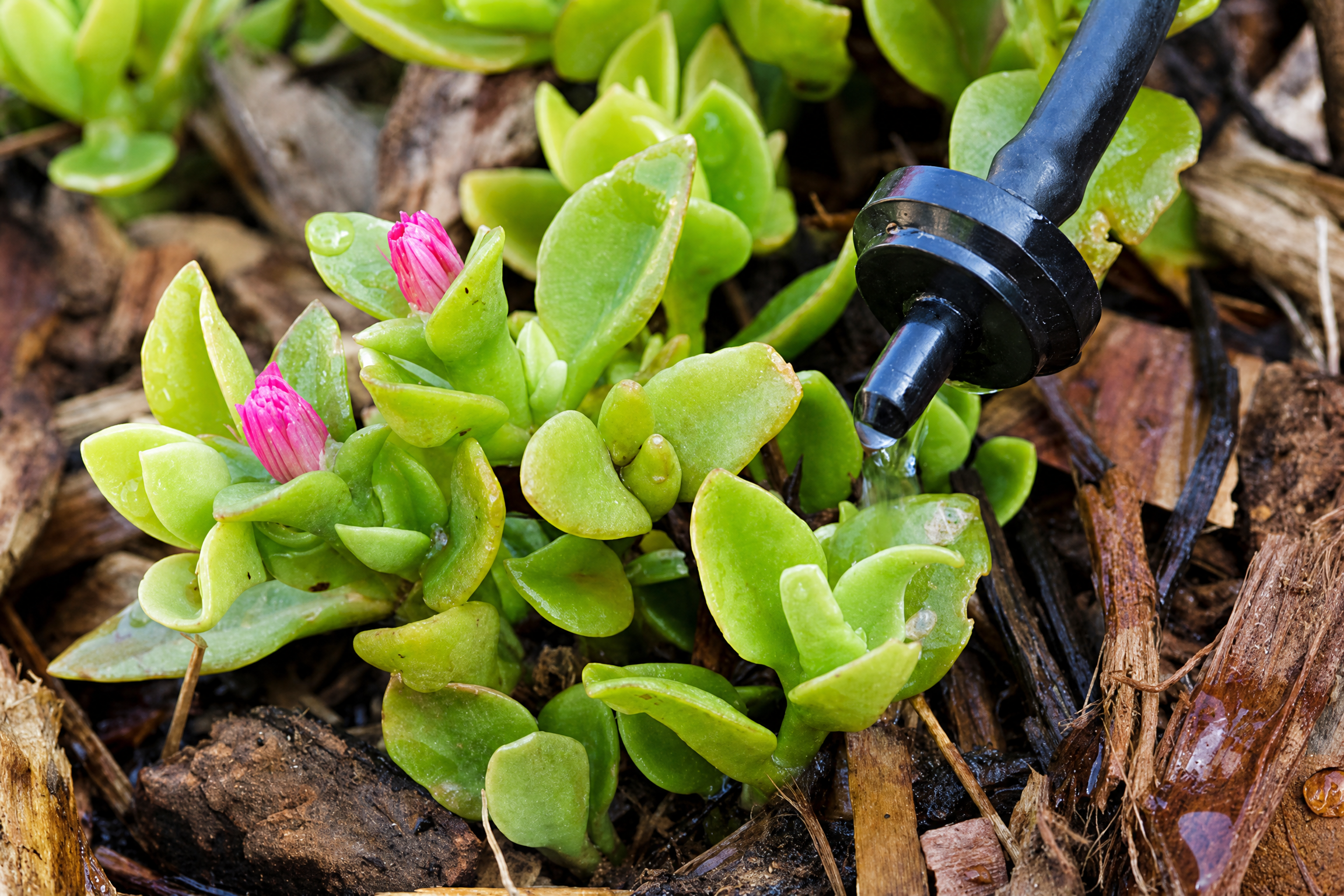
Precision drip repairs and installations for desert plants, trees, planters, and garden beds.
View service details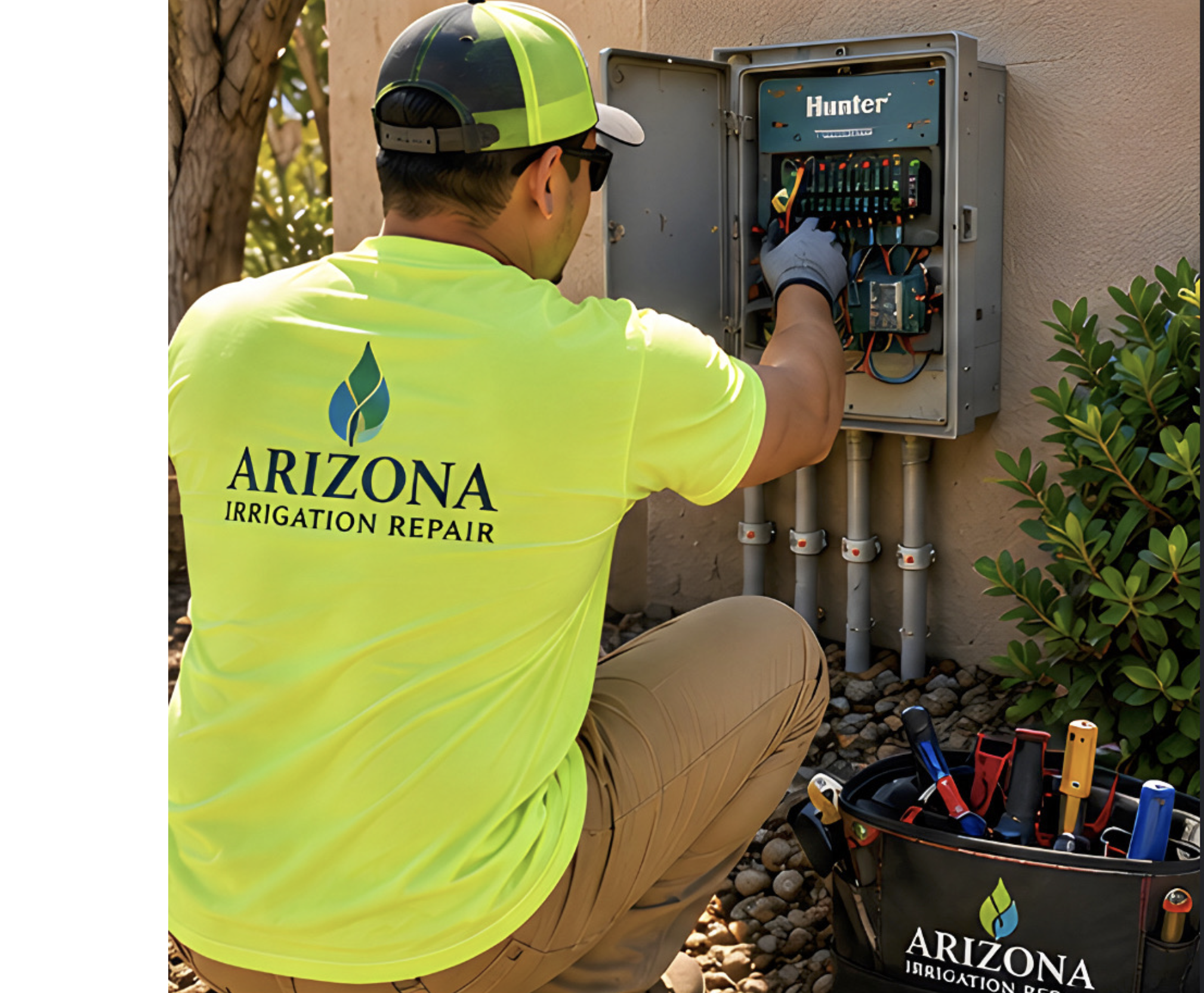
Power, programming, failed stations, wiring, transformer, and controller-versus-field problems diagnosed.
View service details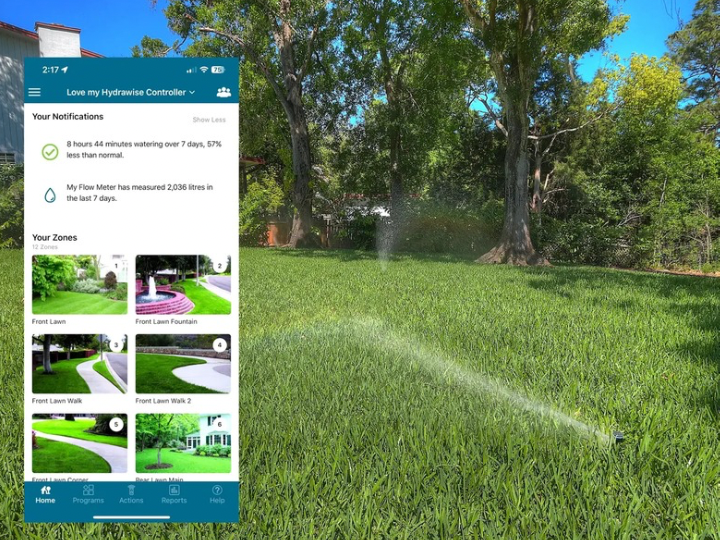
Compatible smart-controller installation, Wi-Fi setup, zone labeling, weather settings, schedules, and testing.
View service details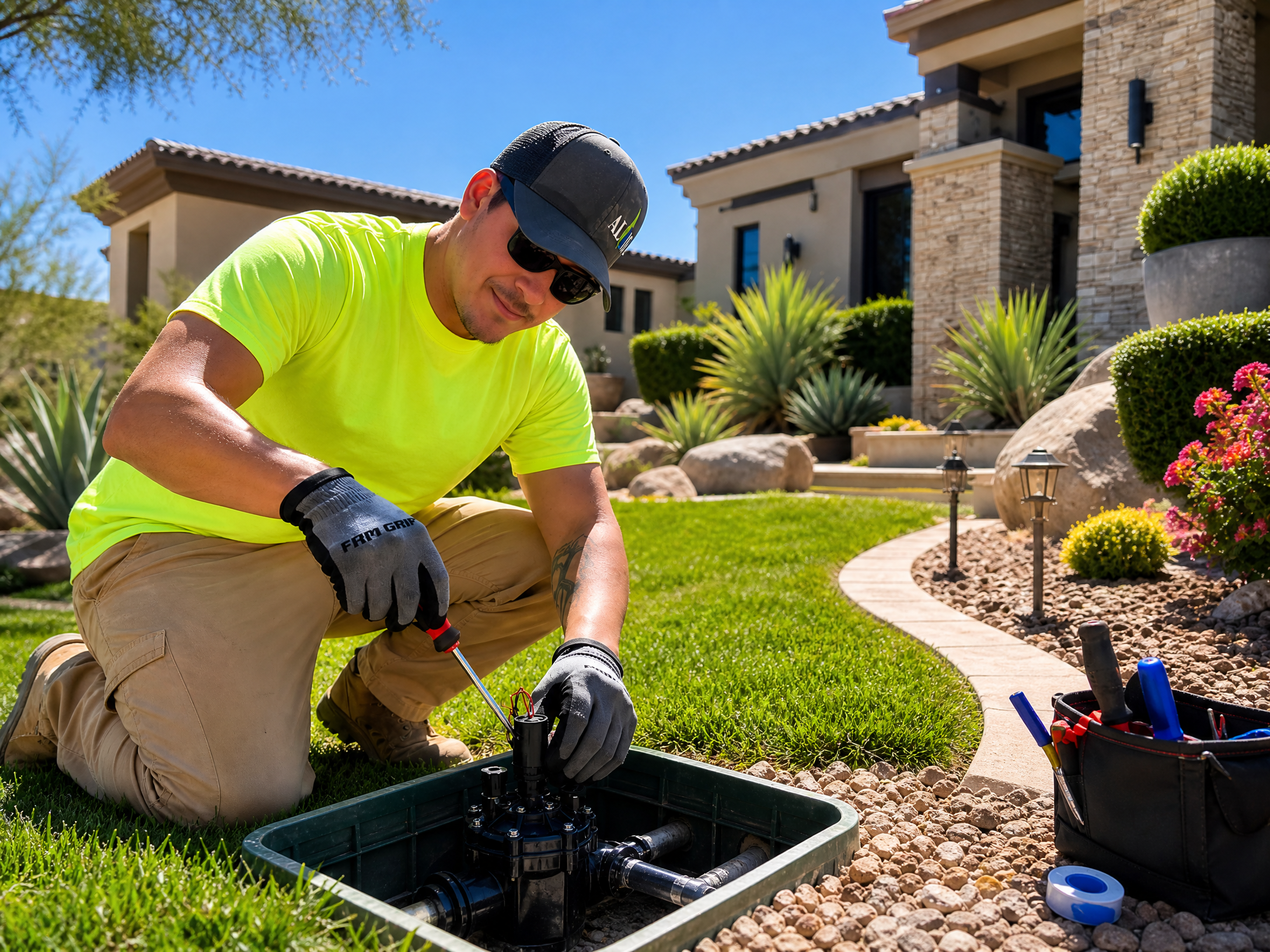
Stuck valves, leaking manifolds, failing solenoids, and zones that will not turn on or shut off.
View service details
Low-voltage lighting for pathways, specimen plants, architecture, patios, and outdoor living spaces.
View service details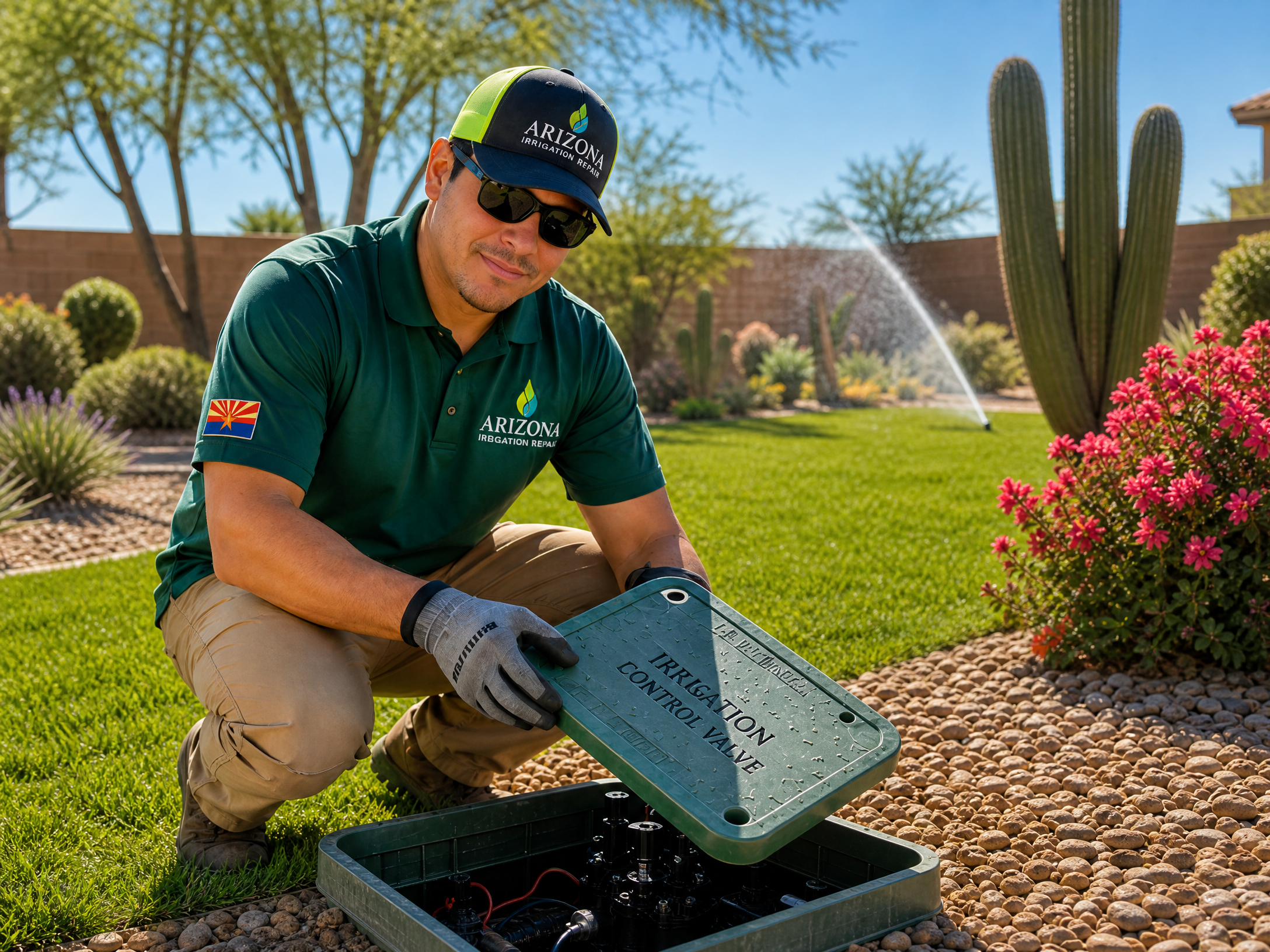
A complete system check to find waste, coverage gaps, damaged components, and programming issues.
View service details
Scheduled system checks for controllers, sprinkler and drip zones, valves, leaks, coverage, and seasonal settings.
View service details
Focused troubleshooting for unclear leaks, failed zones, pressure loss, wiring, valves, controllers, and mixed symptoms.
View service details
Meet AIR co-owner Leandra Mora for separate Scottsdale home-buying, selling, luxury-property, and relocation guidance.
Meet Leandra MoraEfficiency usually comes from correcting several connected conditions—not from replacing one part and hoping the rest of the system is working correctly.
Identify underground leaks, lateral-line leaks, valve leaks, broken fittings, and drip-system water loss.
Review this service pathAdjust heads, nozzles, placement, and coverage so water reaches the landscape instead of pavement and hardscape.
Review this service pathRepair clogged, broken, missing, or inefficient emitters and improve distribution to trees, shrubs, cactus, and plants.
Review this service pathIdentify pressure conditions that contribute to poor coverage, misting, inconsistent output, or inefficient operation.
Review this service pathIdentify excessive runtimes, overlapping schedules, unnecessary watering days, and poor seasonal programming.
Review this service pathInstall and configure compatible Wi-Fi and weather-responsive controllers when they are appropriate for the property.
Review this service pathRoutine inspections can identify leaks, failed components, and scheduling problems before they create larger water loss or landscape damage.
Review this service pathA professional inspection can document active failures, inefficient watering conditions, and practical system improvements. It does not assume the entire system needs replacement.
Modern irrigation controllers can make an Arizona landscape easier to manage. We install and configure compatible smart controllers with scheduling, remote access, weather-responsive features, and individual-zone control.
Before recommending an upgrade, we evaluate whether the existing controller should be repaired, reprogrammed, upgraded, or replaced—and whether the connected valves, wiring, pressure, and field zones are operating correctly.
The visible symptom is the starting point. We trace it through the controller, schedule, wiring, valves, pressure, pipe, sprinkler, or drip components before recommending the repair.
We diagnose the system before recommending the repair.
How irrigation diagnostics work| Homeowner notices | What we investigate |
|---|---|
| High water bill | Underground irrigation leaks or excessive runtimes |
| Wet pavement or driveway | Sprinkler alignment, overspray, or broken heads |
| Dry plants | Clogged emitters, pressure issues, damaged lines, or poor scheduling |
| Constantly wet areas | Seeping valves, broken pipes, or damaged drip lines |
| Uneven lawn watering | Coverage issues, nozzle mismatch, pressure, or head placement |
| Long watering cycles | Controller programming and irrigation scheduling |
| Water running unexpectedly | Valve, controller, wiring, or programming failures |
Use these practical guides to understand seasonal scheduling, hidden leak symptoms, and smart-controller decisions before requesting an onsite diagnosis.

Richard and Leandra Mora lead Arizona Irrigation Repair. Their son Andrew Mora serves as an irrigation specialist in the field.
Our approach is simple: diagnose the complete irrigation system, repair the actual failure, and identify practical opportunities to reduce unnecessary water use. As a family-operated local team, we explain the system clearly and remain accountable through the final system check.
Richard MoraOwner · Irrigation specialist
Leandra MoraCo-owner · Customer experience
Andrew MoraIrrigation specialist
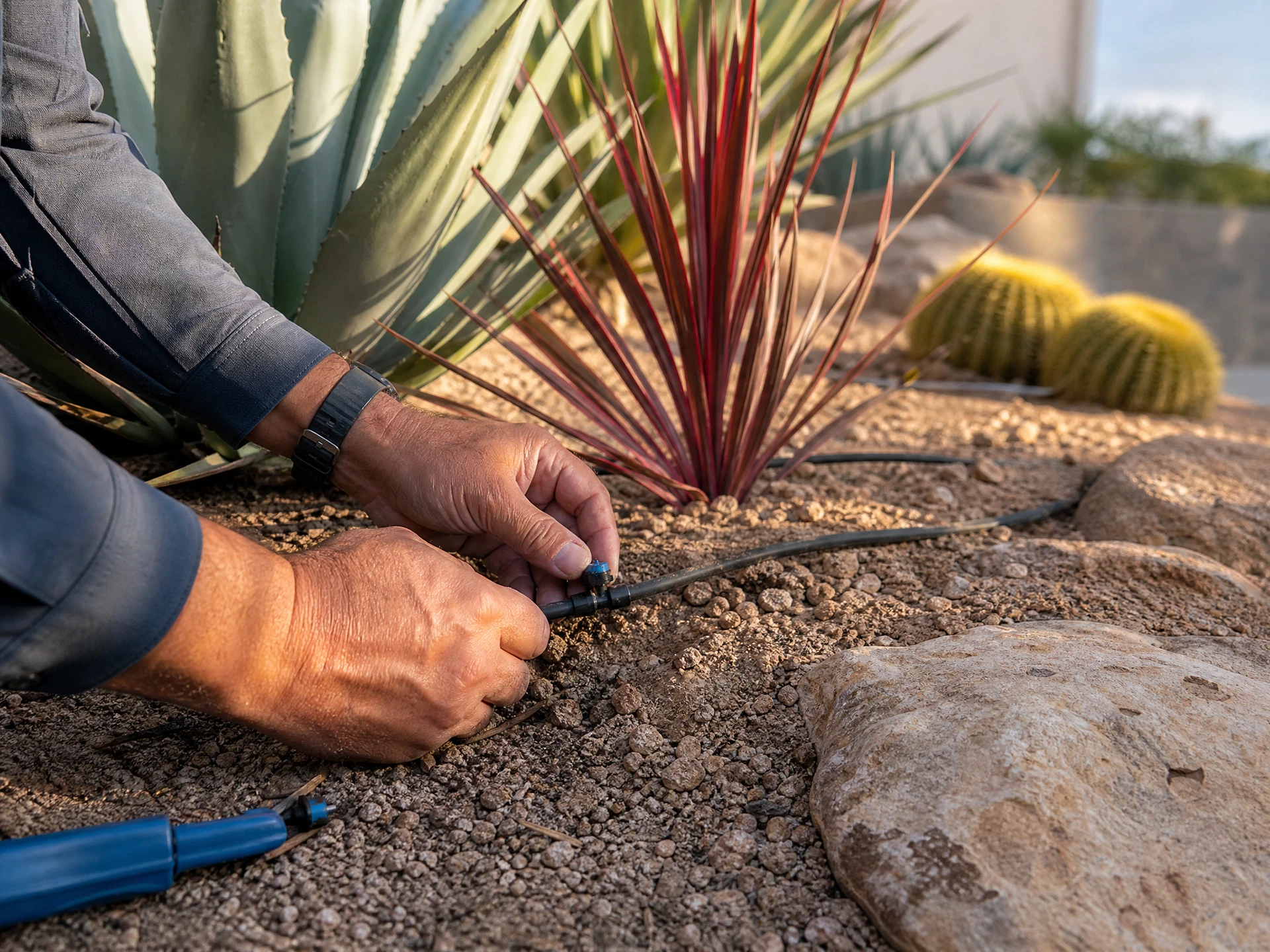
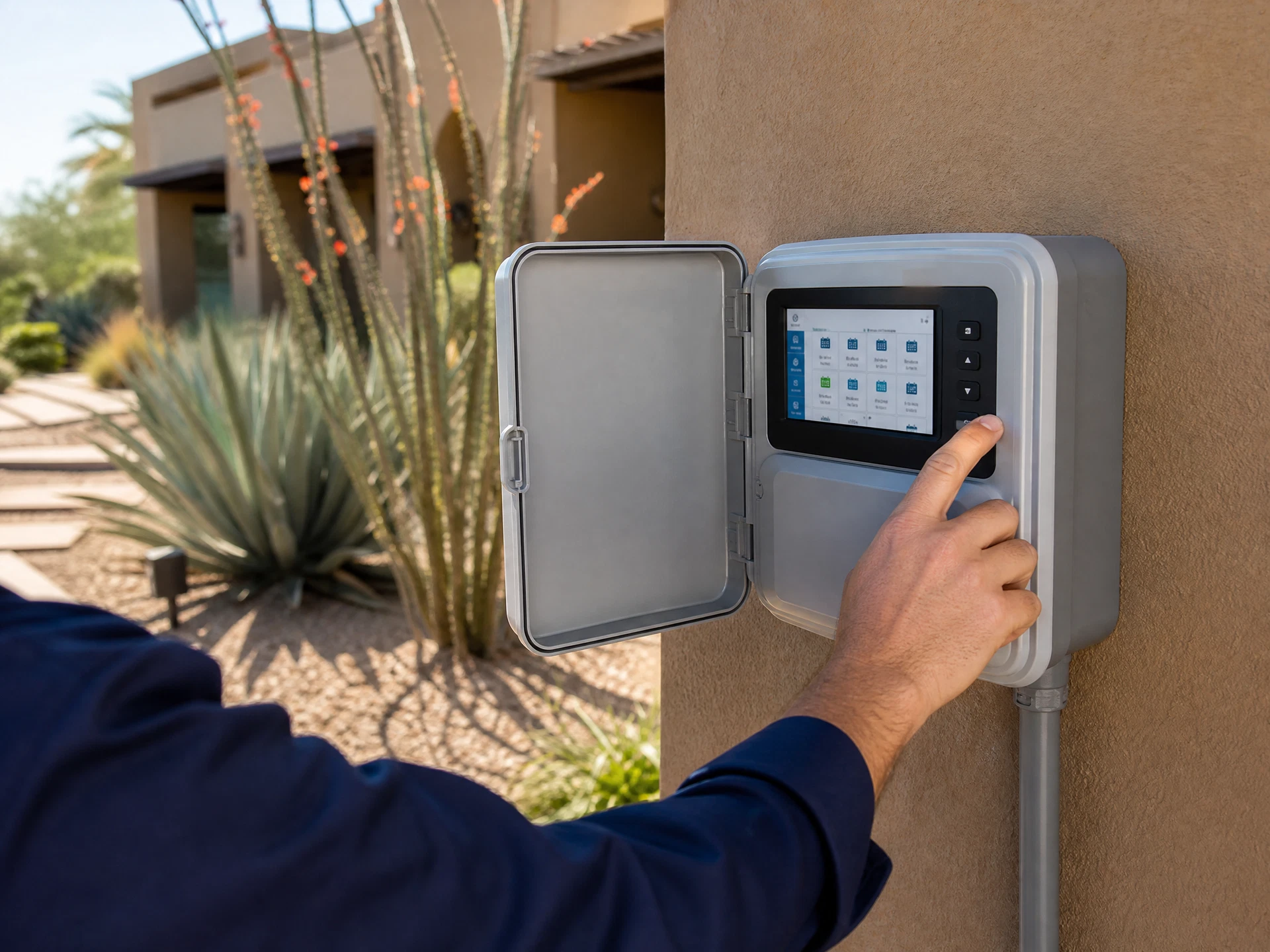
Extreme heat, hard water, monsoon damage, desert plants, and mixed turf zones all affect how an irrigation system should be repaired and programmed.
Find the cause. We look beyond the visible symptom to valves, pressure, wiring, schedules, and underground lines.
Explain the options. You receive a clear recommendation based on the condition of your existing system.
Optimize practical waste points. We identify coverage, delivery, pressure, and scheduling problems that can contribute to unnecessary water use.
Call or schedule online. Share the leak, dry zone, controller issue, or lighting problem you have noticed.
A technician checks the affected zone and connected components so the repair addresses the root issue.
We explain the recommended work before moving forward, then test operation and coverage when complete.
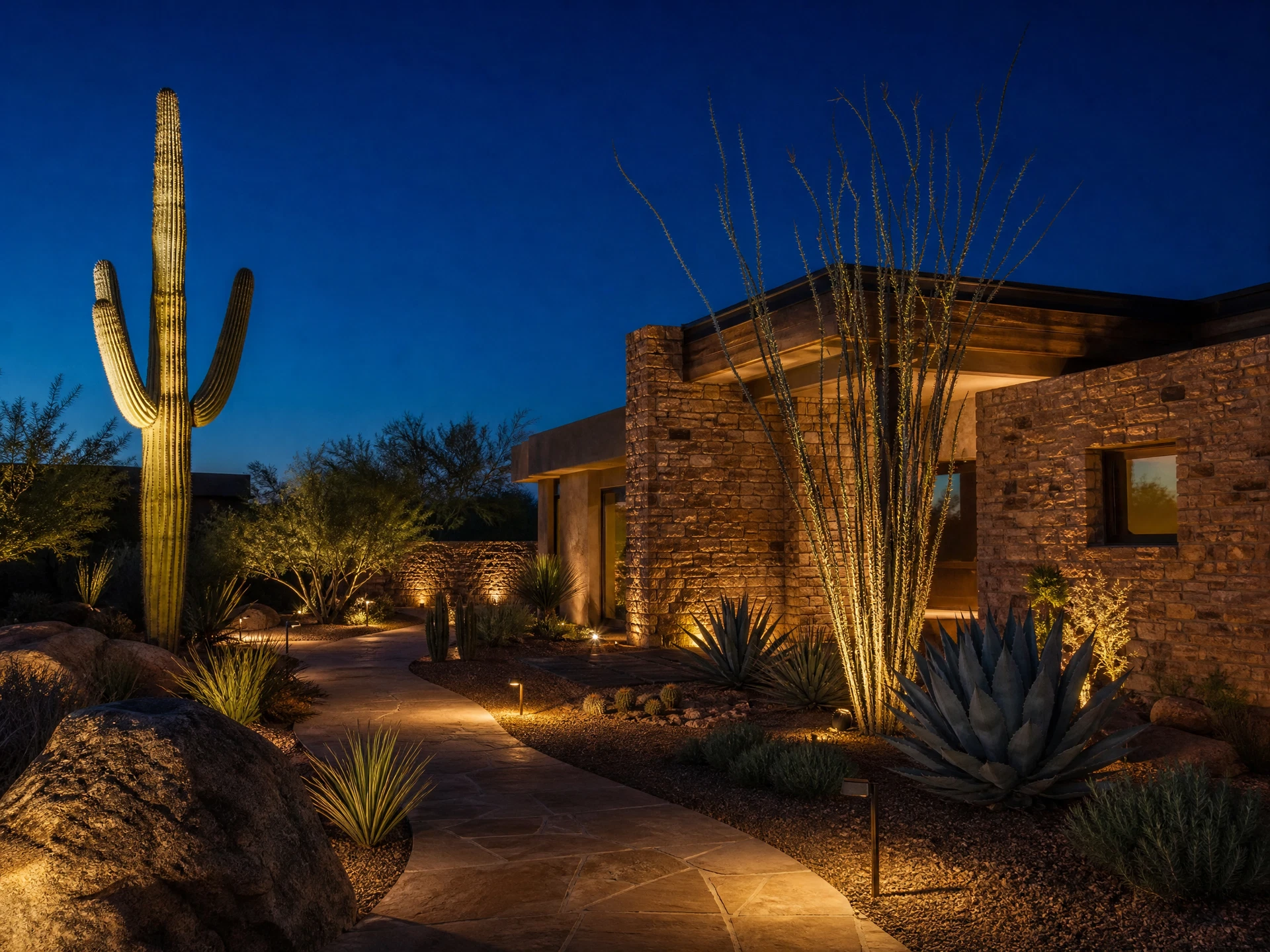
Extend the use of patios and pathways, highlight desert specimens, and add warm architectural definition with properly placed low-voltage lighting.
Ask about lighting installationBased in Scottsdale and serving homeowners throughout the Phoenix metropolitan area and East Valley, including Paradise Valley, Fountain Hills, Cave Creek, Carefree, Tempe, Mesa, Chandler, Gilbert, and Queen Creek. Call to confirm current scheduling for your address.
Check availabilityThese direct answers help Arizona homeowners recognize water-waste symptoms and choose an appropriate next step.
Talk with our teamPotentially. Irrigation leaks, broken sprinkler heads, damaged drip lines, leaking valves, excessive runtimes, overspray, and incorrect controller programming can all contribute to unnecessary water use. Arizona Irrigation Repair diagnoses the system to identify problems and recommend appropriate repairs or adjustments.
Common signs include unusually high water bills, constantly wet areas, water running into streets or driveways, broken sprinkler heads, excessive runoff, dry landscaping despite long watering cycles, or irrigation operating when it should not.
Yes. Many irrigation systems can be improved through targeted repairs, sprinkler adjustments, drip-system improvements, controller programming, pressure corrections, and smart-controller upgrades without replacing the entire irrigation system.
For many Arizona properties, smart irrigation controllers can provide more precise scheduling, remote control, weather-responsive features, and improved management of individual irrigation zones when properly installed and configured.
Common causes include leaks, broken sprinkler heads, incorrect nozzle selection, poor coverage, excessive runtimes, overlapping schedules, leaking valves, damaged drip lines, clogged emitters, and improper controller programming.
Yes. Arizona heat, soil conditions, plant growth, sun exposure, pressure changes, and aging irrigation components can cause system performance to change over time. Routine inspections can identify leaks, damaged components, and inefficient watering before they become larger problems.
Whether you are dealing with a broken sprinkler, leaking drip line, failing valve, controller problem, unexpected water use, or a system that is not performing correctly, Arizona Irrigation Repair can diagnose the cause and recommend the right solution.
Use the dedicated page for your repair or community, then confirm the property address and current appointment availability.
AIR // QUICK SERVICE REQUEST
Enter the exact property address below so the team can confirm route availability.
Need immediate help? Call (602) 905-4494.