The Core Components of an Inspection
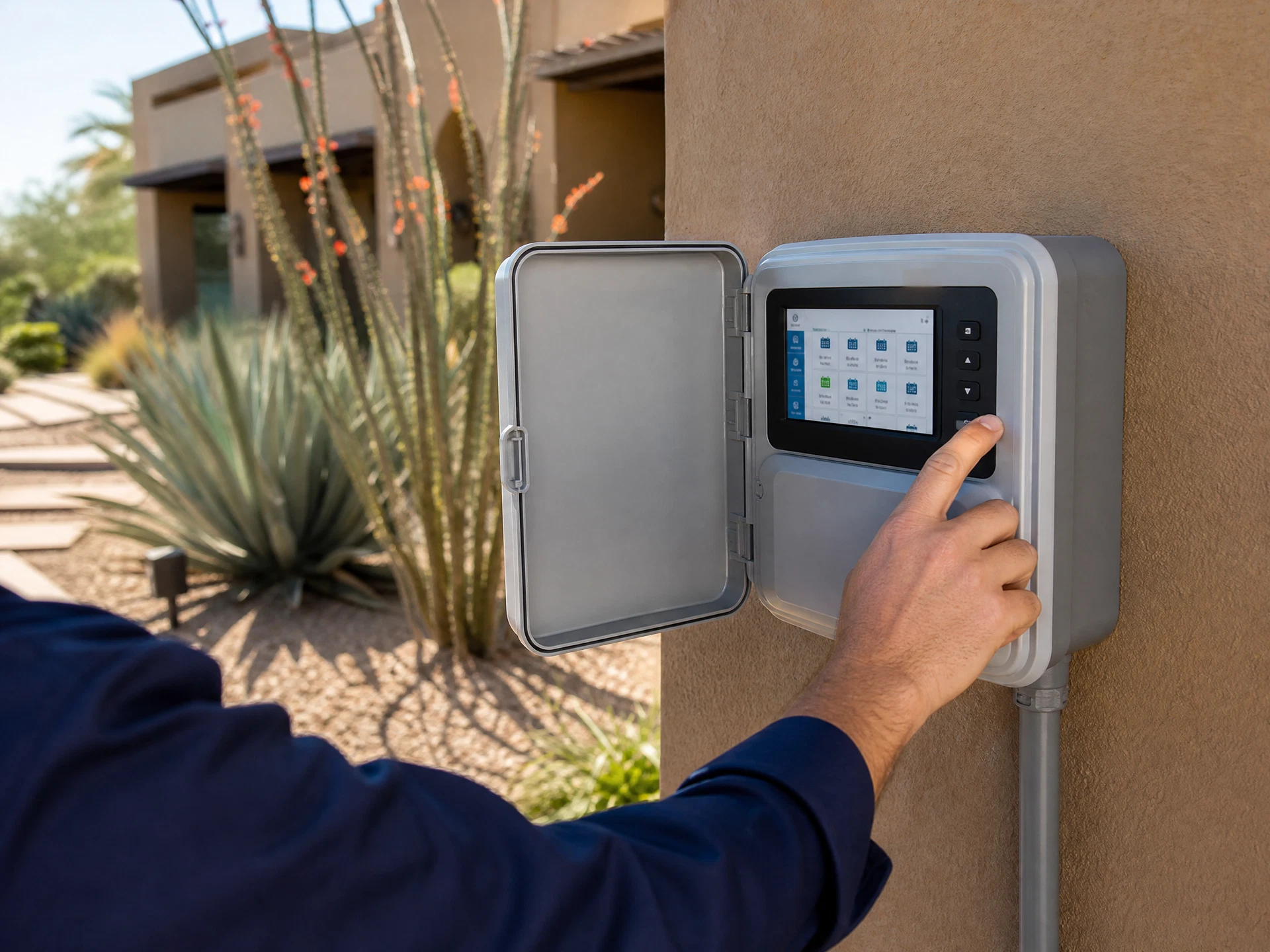
A professional irrigation inspection goes beyond a simple visual check; it is a multi-point diagnostic process designed to evaluate the entire system's integrity. Technicians start by auditing the controller and electrical wiring to ensure signals are correctly reaching the solenoid valves, preventing issues where the timer runs but no water flows. This foundational check ensures the "brain" of your system is operating as intended.[1]
Following the electrical audit, the inspection focuses on hydraulic pressure and distribution uniformity. Technicians measure water pressure across various points to prevent misting from high pressure or poor coverage from low pressure. They also inspect individual sprinkler heads and drip emitters to confirm that water is applied evenly and efficiently to the landscape, minimizing waste and runoff.[1][2]
Diagnostic Tools and Expert Analysis
Professional irrigation technicians utilize specialized equipment that goes far beyond basic homeowner tools. They employ devices such as ultrasonic leak detectors to pinpoint underground fractures without unnecessary digging, and earth-ground testers to verify electrical safety. These advanced tools allow for precise diagnostics, saving time and preventing further damage to the landscape.[1]
Furthermore, experts can accurately diagnose complex issues like intermittent wiring failures or manifold leaks that might confuse an untrained eye. Instead of simply replacing parts through guesswork, professionals identify the root cause of a failure, such as a faulty pressure regulator or a main line surge, ensuring that repairs are effective and long-lasting.[2]
Addressing Arizona's Unique Climate Challenges
In the Phoenix metro area, extreme heat and UV radiation accelerate the wear and tear on irrigation components, making regular professional inspections vital. The intense sun can cause PVC pipes and poly-tubing to lose elasticity and crack, while the hard caliche soil can hide significant underground leaks that waste thousands of gallons of water. Identifying these issues early is crucial for water conservation and system longevity.[1]
Additionally, the high mineral content in Arizona's water often leads to calcium buildup, which can clog drip emitters and sprinkler nozzles over time. A professional inspection includes checking for this "salt-crust" and ensuring that pressure regulators are functioning correctly to prevent emitters from blowing off the lines, protecting your landscape investment during the harsh summer months.[1][1][2]