Sprinklers reaching pavement
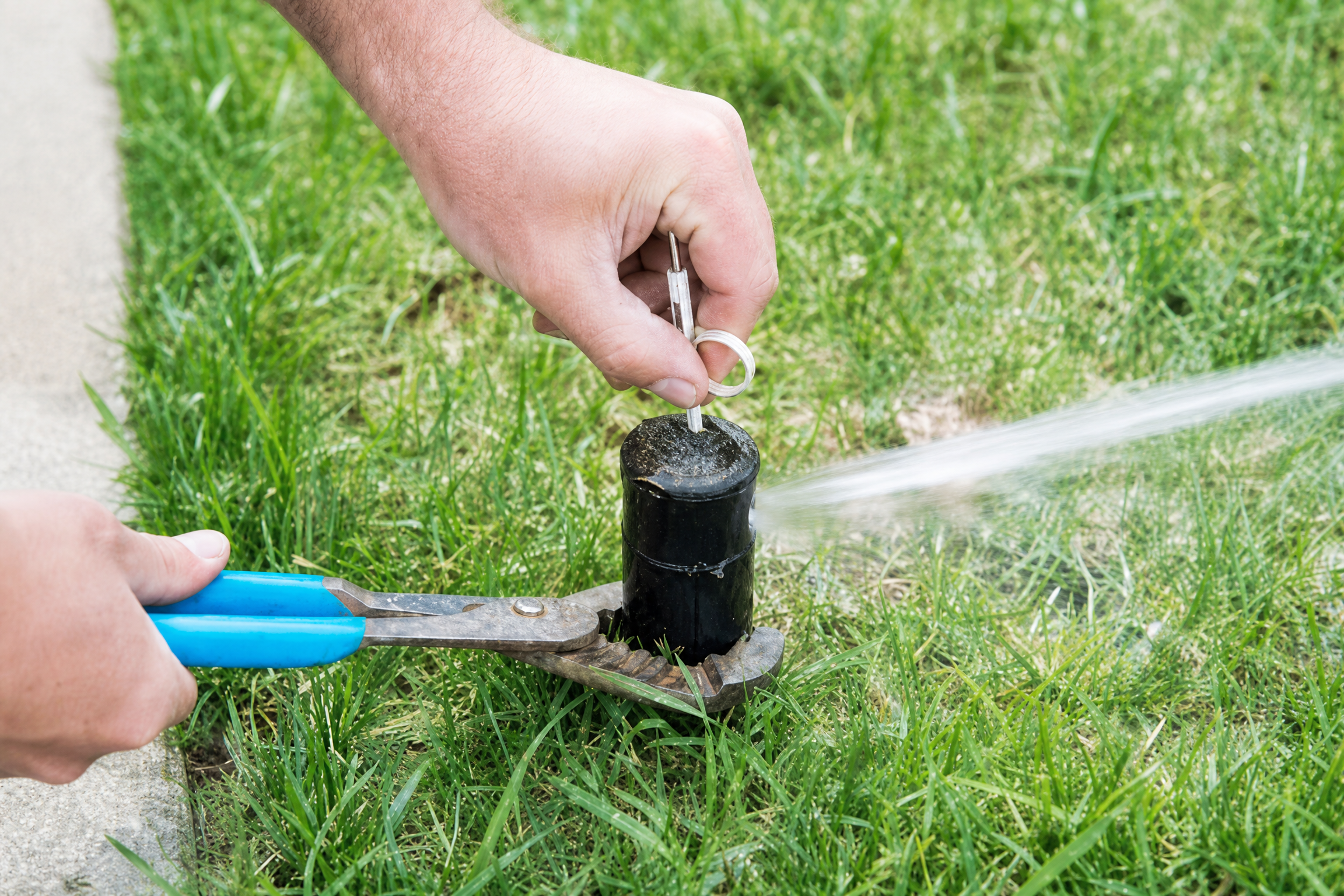
Inspect tilted heads, changed grade, nozzle selection, spacing, pressure, and obstacles that direct water toward sidewalks or streets.
Arizona Irrigation Repair LLC evaluates Phoenix irrigation systems for pavement overspray, hidden leaks, pressure variation, intermittent wiring, seeping valves, mixed turf-and-desert schedules, and controller programs that no longer match the season. The repair path follows the tested cause, not only the first visible symptom.
Tell us what you are seeing, where the water is going, and which zones may be affected. The form is ready now—no extra page or customer-service search required.
Phoenix properties range from mature central landscapes with older wiring and conventional turf zones to newer desert-focused yards with drip, pressure regulation, and connected controls. Water waste can come from the way old and new components interact, not from one isolated part.
A Phoenix yard may combine Bermuda turf, established trees, citrus, desert shrubs, planters, and newer drip extensions inside a system that has been modified over time. Tilted heads, field-wire repairs, mixed pressure, valve wear, and unchanged schedules can create both visible runoff and less obvious water loss.
Our water-efficiency process tests the active zones, controller output, wiring response, valve operation, pressure behavior, sprinkler coverage, and drip delivery. That system-level view helps distinguish a leak from a scheduling problem, a pressure condition from a coverage problem, and a controller issue from a field failure.
Route broader repairs through Phoenix serviceThese are starting points for onsite testing, not automatic conclusions about which component needs replacement.
Inspect tilted heads, changed grade, nozzle selection, spacing, pressure, and obstacles that direct water toward sidewalks or streets.
Test controller output, field wiring, splices, solenoids, and valve response when operation changes from cycle to cycle.
Review zoning and runtimes when unlike plant areas receive the same delivery pattern.
Separate supply, valve, pipe, nozzle, and zone-load conditions that cause misting in one area and weak coverage in another.
Follow water movement beneath compacted soil, rock, edging, or hardscape to narrow a buried leak source.
Review watering days, runtimes, start times, and seasonal changes when the controller has not been adjusted.
Inspect valve sealing, low-head drainage, controller signals, and connected zone conditions.
Check clogged outlets, damaged tubing, pressure, emitter placement, and whether the original layout still matches the root area.
Improvement may involve more than one connected part. Each field method leads to the repair, inspection, or control check that fits the tested condition.
Adjust or repair heads, nozzles, spacing, pressure, and alignment so water remains on the intended landscape.
Open this repair routeTest controller stations, splices, solenoids, and zone response so irrigation starts and stops reliably.
Open this repair routeReview turf, tree, shrub, and desert zones so programming better reflects different delivery needs.
Open this repair routeIdentify pressure conditions linked to misting, weak spray, uneven coverage, or inconsistent drip output.
Open this repair routeUse active-zone behavior, wet-soil patterns, pressure clues, and meter observations to narrow concealed failures.
Open this repair routeReview start times, watering days, runtimes, and current weather and landscape conditions.
Open this repair routeInspect debris, mineral buildup, diaphragms, seats, and solenoids when zones seep or fail to close.
Open this repair routeWe connect what the homeowner notices to the hydraulic, electrical, distribution, or scheduling condition that should be tested next.
How irrigation diagnostics work| Visible signal | Possible connected cause | Waste pattern | Diagnostic next step |
|---|---|---|---|
| Water on sidewalk or street | Tilted head, wrong nozzle, or changed grade | High-volume hardscape runoff | Coverage and alignment correction |
| Zone works only sometimes | Field wire, splice, solenoid, or controller output | Unreliable or repeated operation | Electrical and valve testing |
| Desert plants stay too wet | Mixed turf and desert programming | Excess delivery to lower-use areas | Zone and schedule review |
| Heads produce fine mist | Pressure or nozzle mismatch | Poor delivery before water reaches soil | Pressure and nozzle evaluation |
| Soft soil away from the line | Buried leak with displaced surfacing | Concealed active-zone water loss | Zone isolation and leak repair |
| Winter use stays unusually high | Summer schedule left in place | Seasonally mismatched runtime | Controller schedule update |
| Heads drain after the cycle | Valve seepage or low-head drainage | Continued flow after shutoff | Valve and zone-layout diagnosis |
Water efficiency is an outcome of correct diagnosis, repair, delivery, and programming—not a separate claim detached from the field system.
Call to confirm current scheduling for your address, landscape, and system condition.
Check availabilityRemote guidance cannot confirm the failed component. Call if a zone will not shut off or active water is reaching pavement or a structure.
We can inspect head height, alignment, nozzle type, spacing, grade, pressure, and nearby obstructions. The correct repair depends on whether the issue is placement, hardware, pressure, or the original coverage design.
Older systems may have buried line failures, valve seepage, field-wire faults, repeated controller starts, changed landscapes, or mixed components that no longer operate together consistently. Testing helps isolate the condition instead of assuming age alone is the cause.
Yes. We can test the zones and review how turf, trees, shrubs, and desert-adapted plants are grouped and scheduled. We then explain whether programming changes or field modifications are appropriate.
We operate and isolate the affected zone, inspect valves and visible connections, and follow clues such as pressure loss, wet rock, soft soil, unusual meter activity, or water surfacing away from the failed fitting.
The controller should be reviewed as weather, daylight, plant needs, and landscape conditions change. A schedule that worked during one season may not match the next season or a landscape that has matured.
Misting can be connected to high pressure, nozzle selection, damaged components, or zone design. We test pressure and coverage before recommending regulating components or nozzle changes.
Send the visible symptom, affected zone, and timing through the request form so the service visit can begin with useful system context.
Use the dedicated page for your repair or community, then confirm the property address and current appointment availability.
AIR // QUICK SERVICE REQUEST
Enter the exact property address below so the team can confirm route availability.
Need immediate help? Call (602) 905-4494.